


Choosing the right wipe for a baby's skin often comes down to a simple question: what is actually in it, and how might that affect skin that is still developing? Dry wipes have become a popular choice among parents and caregivers who want more control over what touches their baby's skin. This guide looks at why dry wipes are generally considered a gentle option, what makes them different from pre-moistened alternatives, and how to use them safely.
Why Safety is the First Concern in Baby Care Products
A baby's skin is structurally different from adult skin. The outer protective layer, known as the stratum corneum, is thinner in infants, and the overall skin barrier function is still maturing during the first months and years of life. This makes infant skin more susceptible to irritation from friction, chemical exposure, and moisture imbalance than adult skin, which is why baby-specific product lines are typically held to stricter formulation standards.
Dry wipes are often considered a gentler option largely because of what they do not contain. Without a pre-moistened solution, there is no need for surfactants, preservatives, or fragrance compounds that are common in wet wipe formulations. Removing these ingredients reduces the number of potential irritants a baby's skin is exposed to during a routine diaper change or cleaning.
That said, safe does not mean risk-free in an absolute sense. Every baby's skin responds differently, and any new product, dry or wet, should ideally be introduced gradually, with attention paid to how the skin responds during the first few uses.
What Makes Dry Wipes a Safe Choice for Babies
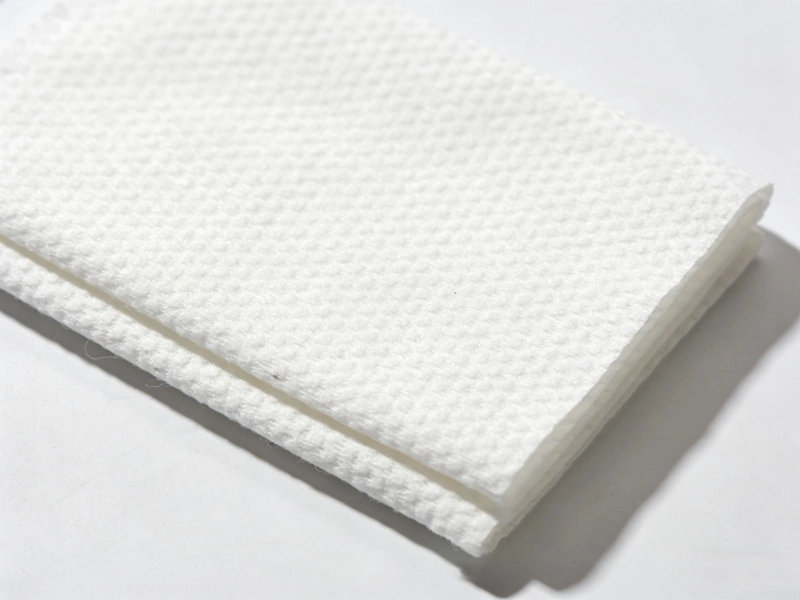
No added chemicals or preservatives. Because dry wipes contain no liquid solution, they avoid the preservatives, such as certain isothiazolinone-based compounds, along with alcohol and added fragrance, that are sometimes found in wet wipe formulations. This is particularly relevant for newborns or babies prone to eczema, where minimizing chemical exposure can meaningfully reduce the likelihood of a reaction.
Material composition. Dry wipes are typically made from cotton or other natural fiber blends, chosen for their soft texture and reduced friction against delicate skin. A gentler material matters especially during frequent use, such as multiple diaper changes throughout the day, where repeated contact can otherwise contribute to mild irritation over time.
Customizable use with water or mild solutions. One practical advantage of dry wipes is that caregivers can choose exactly what to pair them with, whether that is plain warm water or a mild, doctor-recommended solution for more sensitive skin. This level of control is not possible with a pre-formulated wet wipe, where the same solution is applied regardless of the baby's specific skin condition.
Longer shelf life without preservative reliance. Because there is no liquid component that needs to remain stable over time, dry wipes do not depend on chemical preservatives to prevent microbial growth during storage. This removes one additional category of ingredients that would otherwise need to be considered when evaluating what comes into contact with a baby's skin.
When and How to Use Dry Wipes Safely
Dry wipes are particularly well suited to a few specific situations. During newborn umbilical cord care, when the surrounding skin is especially sensitive, many caregivers prefer dry wipes paired with water to minimize any additional chemical exposure. They are also commonly recommended for babies with eczema or generally reactive skin, where reducing the number of variables in a skincare routine can help identify and avoid triggers. Some hospital neonatal units also favor dry wipes for similar reasons, prioritizing tightly controlled cleaning solutions over pre-formulated products.
A few simple practices can help maximize comfort and safety when using dry wipes. Warming the water slightly before use, rather than using cold water directly from the tap, tends to be more comfortable for a baby during cleaning. Gentle, light pressure is generally sufficient, since infant skin does not require vigorous wiping to be effectively cleaned, and excessive friction can itself become a source of irritation regardless of the wipe material used.
As with any care product, it is worth watching for signs that a baby's skin is not responding well, such as persistent redness, rash, or unusual sensitivity in the area being cleaned. If these signs appear, adjusting the wipe or cleaning method alone may not address the underlying cause, and it is advisable to consult a pediatrician for a proper evaluation rather than relying solely on product changes to resolve the issue.


